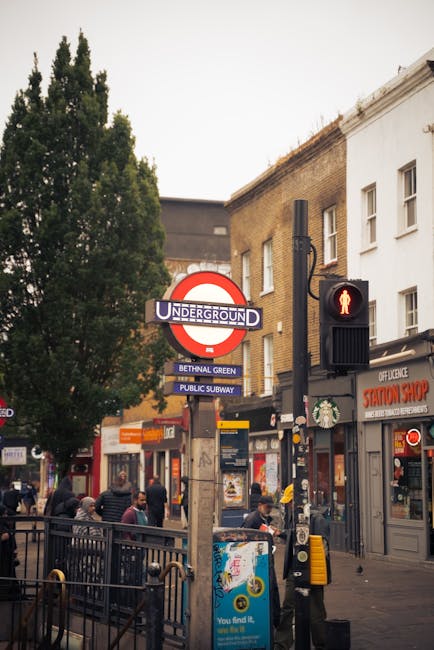
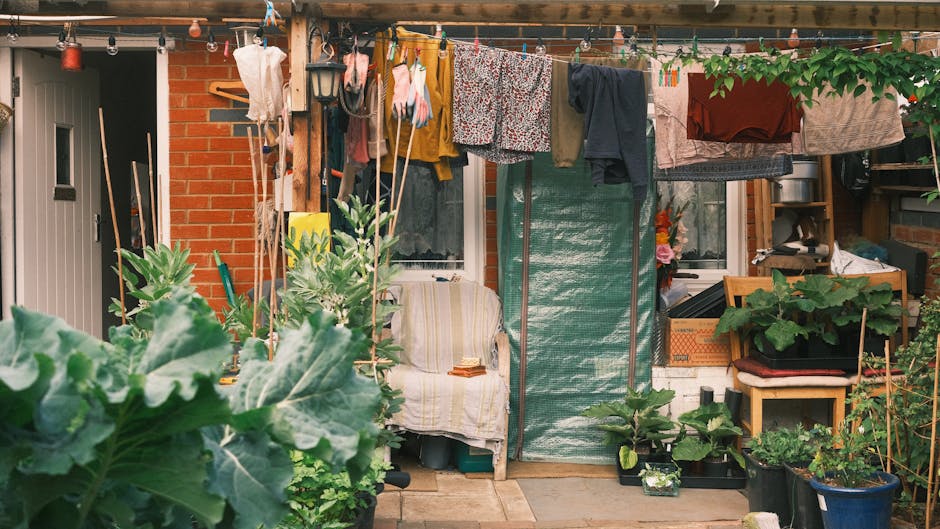
Bethnal Green gardeners guide for narrow London gardens
If you live in Bethnal Green, you already know the kind of outdoor space we're talking about: a slim courtyard, a long strip behind a terrace, maybe a tiny yard that catches shade at one end and heat at the other. A Bethnal Green gardeners guide for narrow London gardens is useful because these spaces need a different approach. Not more plants for the sake of it. Smarter planting, better access, and a layout that makes every metre count.
Truth be told, narrow gardens can be brilliant when they're handled well. They can feel calm, private, and surprisingly generous. But they can also become cluttered fast. One awkward shed, the wrong hedge, poor drainage, and suddenly the whole thing feels tighter than a Tube platform at rush hour. This guide walks through the practical side of gardening in narrow London spaces: what works, what doesn't, how to plan, and how to avoid the usual mistakes.
We'll also cover maintenance, materials, light, privacy, and the small decisions that make a big difference. If you're weighing up a full refresh or just trying to make a small garden feel less boxed in, you're in the right place.
Table of Contents
- Why Bethnal Green gardeners guide for narrow London gardens Matters
- How Bethnal Green gardeners guide for narrow London gardens Works
- Key Benefits and Practical Advantages
- Who This Is For and When It Makes Sense
- Step-by-Step Guidance
- Expert Tips for Better Results
- Common Mistakes to Avoid
- Tools, Resources and Recommendations
- Law, Compliance, Standards, or Best Practice
- Options, Methods, or Comparison Table
- Case Study or Real-World Example
- Practical Checklist
- Conclusion
- Frequently Asked Questions
Why Bethnal Green gardeners guide for narrow London gardens Matters
Narrow London gardens are a design puzzle, but a solvable one. In Bethnal Green, many plots are shaped by terraced housing, shared boundaries, side returns, and limited rear access. That means the usual "big garden" advice often falls flat. A lawn in the middle, oversized borders, and bulky furniture can quickly eat the usable space. You end up with something that looks busy but doesn't actually work day to day.
Why does this matter so much? Because small outdoor spaces are often used more intensively than larger ones. They need to be practical for everyday life: somewhere to sit, somewhere to store tools, somewhere to grow a few reliable plants, and ideally somewhere that doesn't feel like a corridor. If the layout is off, you notice it every time you step outside.
There's also the matter of light. Narrow gardens in East London are often bordered by buildings, fences, and mature trees nearby, so the light can shift a lot through the day. You may get full sun for a few hours, then shade, then a damp corner that never quite dries. That affects plant choice, drainage, and where you place hard landscaping. Get those basics right and the garden starts to feel effortless. Get them wrong and you'll be redoing bits every season. Not ideal.
Local knowledge matters too. Bethnal Green sits in a dense urban environment, so a good plan has to take account of awkward access, neighbour boundaries, noise, privacy, and the reality of working in tighter spaces. The best results usually come from simple, well-chosen changes rather than dramatic overcomplication.
How Bethnal Green gardeners guide for narrow London gardens Works
The core idea is straightforward: make the space feel wider, calmer, and easier to use without wasting a single inch. That usually means combining thoughtful layout, selective planting, and maintenance that keeps the garden from closing in on itself. In practice, the process starts with the shape of the space, not the plant list.
First, you look at movement. Can you walk through comfortably? Is there a clear route from the back door to the seating area? Are bins, bikes, or storage blocking the way? In narrow gardens, circulation is everything. A good design leaves space to move, even if the garden is only a few steps across.
Next comes structure. Tall elements, such as trained climbers, slim screening plants, or carefully placed trellises, can draw the eye upward and away from the tightest part of the plot. That makes a garden feel taller and more layered. Low planting can then soften the edges without shrinking the usable area.
Then there's surface choice. Paving, decking, gravel, and planted areas all behave differently in narrow gardens. A small mistake here can make the whole space feel chopped up. For example, too many different paving sizes can look fussy, while one continuous surface can make a thin garden feel more generous. It sounds almost too simple, but it works.
Finally, maintenance. Narrow gardens show neglect quickly. Hedges creep, grass edges blur, and path widths shrink. A sensible maintenance rhythm keeps everything tidy without becoming a burden. For many households, that means regular care from a garden maintenance service or a reliable local gardener who understands compact urban spaces.
Key Benefits and Practical Advantages
Done well, a narrow garden can become one of the best rooms in the house. That sounds dramatic, maybe, but it's true more often than people expect. A properly planned space gives you real benefits beyond appearances.
- Better usability: You can sit, walk, store, and garden without everything feeling crowded.
- Improved light flow: Clever spacing and lighter materials help the whole garden feel brighter.
- Less visual clutter: A cleaner layout reduces the sense of being boxed in.
- Easier upkeep: Simple planting and practical surfaces are easier to maintain through the year.
- More privacy: Trellises, hedging, and layered screening can soften overlooked spaces without shutting out light.
- Higher enjoyment: A garden you actually use is worth far more than one that merely looks tidy from the kitchen window.
There's a financial angle too, though it should be handled carefully. Good outdoor presentation can support a property's appeal, particularly in areas where buyers or tenants notice usable outside space. The point isn't to chase trends. It's to make the garden feel coherent, low-fuss, and genuinely inviting.
And a small personal note: the gardens people love most are rarely the ones packed with the most features. They're the ones that feel easy. You open the door, hear a bit of street noise fade, and the space just works. That ease is the real luxury.
Who This Is For and When It Makes Sense
This guide is for homeowners, landlords, tenants with permission to improve a garden, and anyone trying to rescue a narrow outdoor space in Bethnal Green or nearby East London. It also suits people who already have a functional garden but want it to feel less cramped, more private, or easier to maintain.
It makes sense if you're dealing with any of these situations:
- a long and narrow rear garden that feels like a passageway
- a courtyard that gets little light for part of the day
- a side return that is underused or cluttered
- a small lawn that's become patchy and impractical
- a garden that needs screening from neighbouring windows
- a layout that feels awkward for sitting, dining, or children's play
It also makes sense if you're considering a refresh but don't want a huge project. Not every narrow garden needs a full redesign. Sometimes the smartest move is a reset: clear the clutter, improve the access, rework the boundaries, and choose plants that behave themselves.
If you're unsure whether to do it yourself or bring in help, ask a simple question: do you want a one-off tidy-up, or a long-term solution? If it's the second one, a broader service such as gardening services or garden services may be the better fit, especially if the space needs more than a quick trim.
Step-by-Step Guidance
Here's the practical way to approach a narrow London garden without overthinking it.
1. Measure the real usable space
Don't just measure the total plot. Measure the bits you can actually use. Include pinch points, door swing space, drain covers, awkward corners, and any areas that need to stay clear for access. In small gardens, a foot of wasted width can feel like a mile.
2. Decide what the garden must do
Be honest. Is this space for eating, children, pets, growing herbs, or quiet sitting? A narrow garden usually cannot do everything equally well. Choose one main function and one or two secondary functions. That keeps the design focused.
3. Clear out the visual noise
Overgrown shrubs, broken pots, old timbers, and tired furniture can make a narrow garden feel even tighter. A proper clearance can instantly change the feel of the space. If the garden has become difficult to move through, a garden clearance service can be a sensible starting point before any redesign.
4. Fix the boundaries
In a narrow plot, the fence line matters more than people think. Untidy or broken boundaries make the garden feel neglected. Clean fencing, trained climbers, and well-chosen screening plants create a better frame. If replacement is needed, consider garden fencing or targeted garden fence replacement.
5. Choose one main surface strategy
Whether you use paving, decking, gravel, or a mix, the surface should support the garden rather than compete with it. A narrow garden often looks better with fewer surface changes. One main route, one main sitting area, and maybe a small planted strip can be enough.
6. Build layers vertically
Use height carefully. Trellis, climbing plants, wall planters, and slim shrubs can add depth without eating width. The aim is to guide the eye upward and along the space, not to create a vertical jungle. A little restraint goes a long way.
7. Select plants that suit the light
Plant choice should follow the sun, shade, and shelter in your garden. South-facing narrow gardens behave very differently from shady north-facing ones. You may need drought-tolerant planting in hot spots and moisture-tolerant plants in the damper end. If in doubt, go for robust species that tolerate urban conditions and occasional neglect. Let's be honest, not every week is a gardening week.
8. Plan maintenance from the start
A garden that looks lovely in May but becomes a tangle by August has not really been designed for living. Decide what needs regular cutting, feeding, watering, and checking. If the space contains hedges or trees, it may help to build in recurring work such as hedge trimming or occasional tree cutting service support.
9. Review after one season
Few narrow gardens are perfect on day one. Spend a season living with the space. Notice where water pools after rain, where the sun lands at lunchtime, and which corners you never use. Small adjustments after that first season often deliver the biggest improvement.
Expert Tips for Better Results
These are the details that separate a decent narrow garden from one that genuinely feels well thought through.
- Use repetition: Repeating one or two materials, plant types, or colours creates calm. Too much variation makes the space feel busier.
- Keep sightlines open: If you can see the end of the garden clearly, it usually feels longer and more generous.
- Choose slimline furniture: Foldable or bench-style seating often works better than chunky sets.
- Lift planting at the edges: Raised beds or border edging can define the garden without narrowing the main route.
- Use reflective surfaces carefully: A pale wall, light paving, or a glazed focal point can brighten a tight space. Just avoid anything that creates glare.
- Don't overplant the centre: Keep the middle open where possible. It's a simple trick, but it changes the feel of the whole garden.
One of the best tricks in narrow gardens is to think like a photographer. What will people see first when they step outside? What do they notice at eye level? What gets hidden? Once you answer that, the design choices become much clearer.
Also, a small note from experience: the fanciest solution is not always the best one. A well-maintained gravel path, a good fence, and three carefully chosen planting zones can beat a more ambitious scheme that's hard to keep up. Gardens have feelings too, or so it seems some days.
Common Mistakes to Avoid
Narrow gardens tend to suffer from the same handful of mistakes. Avoiding them can save a lot of money, time, and mild frustration.
- Overcomplicating the layout: Too many zones make the garden feel chopped up.
- Using oversized plants: Big shrubs can quickly overwhelm a small footprint.
- Ignoring drainage: Waterlogged corners are common in urban gardens and need attention early.
- Blocking walkways: Storage items, planters, or furniture placed in the wrong spot can make the whole garden awkward.
- Choosing high-maintenance planting: If you don't want weekly pruning, don't buy plants that need it.
- Forgetting about neighbours: Privacy matters, but so does not turning your garden into a wall of gloom.
Another common error is treating a narrow garden like a showroom rather than a lived-in space. That usually leads to surfaces and plants that look lovely for two months and then become annoying. A better approach is to ask what will still feel good in January, not just June.
If the garden is already overgrown, a sensible starting point may be regular grass cutting, edge tidying, and a pruning plan before any bigger investment. Sometimes you need to see the bones of the space before you can improve it properly.
Tools, Resources and Recommendations
You do not need a shed full of specialist kit to manage a narrow garden, but a few practical tools make life easier. For most small urban gardens, good basics beat gimmicks every time.
| Need | Useful approach | Why it helps in a narrow garden |
|---|---|---|
| Routine tidy-up | Light pruning, edging, sweeping | Prevents the space from feeling compressed |
| Overgrowth control | Targeted hedge and shrub work | Keeps paths open and boundaries neat |
| Surface care | Cleaning paths, patios, and decks | Brightens the whole garden and improves safety |
| Plant structure | Climbers, trellis, slim border planting | Adds height without stealing width |
| Access and storage | Wall hooks, slim benches, vertical storage | Reduces clutter on the ground plane |
For many Bethnal Green gardens, the most useful services are the unglamorous ones: maintenance, mowing, clearing, trimming, and surface cleaning. A company offering lawn mowing services, patio cleaning, or jet washing can make a small outdoor space feel sharp again without changing the whole design.
If you're planning a more structural improvement, such as a new route, raised planting, or a better outdoor seating area, it may be worth looking at landscape gardening or landscaping support. Those are often the difference between "tidied up" and "properly transformed".
A quick word on sustainability: smaller gardens are a good place to be efficient. Reuse materials where it makes sense, compost if you can, and choose planting that suits the site rather than fighting it. The garden will usually thank you for it.
Law, Compliance, Standards, or Best Practice
For most narrow domestic gardens, the main compliance issues are practical rather than bureaucratic. That said, it still pays to be careful, especially in built-up parts of London where boundaries and access are tight.
If you're replacing fences, removing trees, or altering structures near a boundary, check ownership and any relevant permissions before starting work. Not every job needs formal approval, but assumptions can become expensive very quickly. It is also sensible to consider neighbour relations. A new fence or tall planting screen can be perfectly legal and still cause friction if it blocks light or access unexpectedly.
Health and safety matters too. Narrow gardens often involve awkward lifting, uneven ground, low walls, and limited tool storage. Reputable contractors should work in line with sensible safety procedures, carry appropriate insurance, and manage waste responsibly. If you're hiring help, it's fair to ask about insurance and safety and to check how waste or green material is handled. A professional approach is not just about the finish; it's about working cleanly and safely in close quarters.
There are also basic best-practice standards worth following:
- keep paths clear and stable
- avoid blocking drainage points
- make sure gates and access routes still open properly
- store tools securely
- dispose of green waste responsibly
If you're comparing providers, it is reasonable to ask how they price the work and what is included. Transparent quoting matters, especially when a narrow garden needs several small tasks rather than one big job. You can review pricing and quotes information before making a decision.
Options, Methods, or Comparison Table
There is no single correct way to improve a narrow Bethnal Green garden. The right method depends on how you use the space, how much light it gets, and how much maintenance you're willing to take on.
| Method | Best for | Strengths | Trade-offs |
|---|---|---|---|
| Simple tidy-up and maintenance | Already usable gardens needing regular care | Cost-effective, quick, keeps the space neat | Does not solve poor layout |
| Targeted clearance and reset | Overgrown or cluttered spaces | Reveals the true shape of the garden | May still need follow-up design work |
| Plant-led redesign | Gardens with decent structure already in place | Adds softness, privacy, and seasonal interest | Requires the right light and care plan |
| Hard landscaping focus | Gardens needing better access, seating, or drainage | Creates long-lasting structure | More disruptive and usually more expensive |
| Full redesign | Problem gardens with poor flow and outdated materials | Best for long-term transformation | Needs planning, time, and a firmer budget |
If you're unsure, start with the least invasive option that fixes the main problem. That's often the wisest path. You can always build on it later. In a narrow garden, a measured approach usually wins over a dramatic one.
Case Study or Real-World Example
Here's a realistic example based on the sort of Bethnal Green garden many people inherit. Imagine a narrow terrace garden around ten metres long, with a patchy lawn, a tired fence line, a cluttered corner by the back wall, and a seating area that barely fits two chairs without bumping elbows. The garden gets morning sun near the house, then partial shade towards the back.
The first step is not planting. It's clearing. Remove broken pots, old compost bags, and anything that blocks the line of travel. Then trim back the overgrowth and inspect the fence. Once the space is opened up, it becomes obvious where the garden naturally wants to be split: a small sitting area near the house, a narrow planting strip along one edge, and a calmer back section with a few taller plants for privacy.
Instead of replacing everything, the garden is simplified. The lawn is reduced because it is too narrow to be useful, a gravel or paved route is created to keep access clean, and the boundary is improved with climbing plants supported by a tidy frame. A small amount of regular care keeps the result working. No drama. No overdesign. Just a better use of the space.
What changes most? Usually, it is not the amount of planting. It is the feeling of ease. The garden stops arguing with itself. You can step outside in the evening, hear the city soften a little, and actually want to stay there for ten minutes with a cup of tea. That's the real win.
Practical Checklist
Use this checklist before you begin work on a narrow London garden.
- Measure the full garden and the truly usable areas
- Decide the garden's main purpose
- Check where the sun and shade fall across the day
- Clear clutter and overgrowth first
- Inspect fences, edges, and access points
- Choose one main surface strategy
- Keep the central route open and comfortable
- Use vertical space carefully for privacy and depth
- Pick plants suited to the light and maintenance level
- Plan how the garden will be maintained month by month
- Allow for drainage and easy cleaning
- Review the space after one full season
If you can tick most of those boxes, you're already ahead of the game. Small gardens reward clarity. They really do.
Conclusion
A narrow Bethnal Green garden does not need to feel limiting. With the right structure, thoughtful planting, and sensible maintenance, it can become a calm, useful, and genuinely enjoyable part of the home. The trick is to work with the shape of the space rather than fight it. Keep the layout simple, respect the light, and choose details that make daily use easier.
The best results usually come from a balance of practicality and restraint. You don't need to cram in every feature. You just need a garden that feels open enough to breathe and tidy enough to enjoy. That's the sweet spot. And once you find it, the whole place feels a bit bigger somehow.
Get a free quote today and see how much you can save.
When a small London garden is designed with care, it quietly gives back every day. Not flashy, not fussy, just good to live with. That's worth a lot.
Frequently Asked Questions
What is the best garden layout for a narrow London garden?
The best layout usually keeps one clear route, one main seating or use area, and restrained planting along the edges. Simplicity helps narrow gardens feel longer and less crowded.
How do I make a Bethnal Green garden look wider?
Use fewer surface changes, keep the centre open, repeat materials, and choose vertical planting to draw the eye upward. Light colours and tidy boundaries also help the space feel broader.
Which plants work well in narrow urban gardens?
Plants that suit the light level and do not spread aggressively are usually best. Climbers, compact shrubs, shade-tolerant perennials, and container planting are all common choices, depending on the site.
Is decking or paving better for a small narrow garden?
Either can work. Paving is often easier to keep neat and can feel more solid, while decking can soften the look and suit some awkward levels. The right choice depends on drainage, maintenance, and how you use the space.
How often should a narrow garden be maintained?
Light maintenance is usually best done regularly rather than left to build up. In practice, that might mean monthly or seasonal work, with extra attention during peak growing periods. Some gardens need more, some less.
Can I still have privacy in a small Bethnal Green garden?
Yes. Privacy can be created with fencing, trellis, trained climbers, and carefully placed planting. The goal is to screen views without making the space dark or heavy.
What are the biggest mistakes in narrow garden design?
Common mistakes include overcrowding the space, choosing large plants, ignoring drainage, and using too many materials. A narrow garden usually works better when the design is calm and coordinated.
Should I remove the lawn in a very narrow garden?
Sometimes yes. If the lawn is too thin to be useful or difficult to maintain, replacing part or all of it with paving, gravel, or planting can improve the space. It depends on how the garden is used.
Do I need professional help for a small garden makeover?
Not always. But if the garden is overgrown, poorly drained, awkwardly shaped, or needs structural work, professional help can save time and prevent expensive trial and error. Small spaces often benefit from experienced planning.
How do I deal with a garden that is shaded for most of the day?
Choose plants suited to shade, avoid fighting the conditions, and use lighter surfaces where possible. Shade gardens can be very attractive when the planting is chosen well and the layout is kept open.
What services are most useful for narrow gardens?
Maintenance, hedge trimming, garden clearance, grass cutting, patio cleaning, and fencing work are often the most useful. For more ambitious changes, landscaping or landscape gardening may be more appropriate.
How do I get started if my garden feels overwhelming?
Start with a clear-out. Once clutter and overgrowth are removed, the space becomes easier to judge. From there, you can decide whether you need simple maintenance, a redesign, or a mix of both.