Lawn Mower in London

We provide lawn mowing in London for home gardens, shared outdoor spaces and managed grounds that need a neat, even finish. Our focus is straightforward: regular cutting, careful edging and a tidy result that helps a lawn look looked-after rather than overworked. The service suits customers who want a simple, dependable way to keep grass under control without taking on the time, equipment upkeep or heavy lifting themselves.
Alongside routine mowing, we can support grass cutting, edging and basic seasonal care that keeps the surface consistent as conditions change. Where a lawn has become coarse, patchy or uneven, the right approach is not always to cut harder; it is often to work methodically, adjust the finish and leave the area ready for the next cycle of care. Good mowing is as much about judgement as it is about machinery, especially when lawns include borders, slopes, tight runs or mixed-use areas.
If you need lawn mowing in London, the next step is simple: tell us what you want cut and when you would like it done, then request a quotation. For broader outdoor upkeep, you may also find lawn mowing services useful if you want to compare a more regular maintenance arrangement with one-off grass cutting. We can keep the conversation practical and focused on the work itself.
Regular mowing, edging and a tidy lawn finish
Regular lawn mowing is about consistency. A lawn that is cut at suitable intervals generally keeps a more even colour and texture, and it is easier to maintain clean edges around paving, beds and paths. We work with the aim of leaving a clear, balanced finish rather than a harsh scalp, because the best result depends on the grass type, the season and the lawn’s current condition. In some gardens, the most useful outcome is simply a neat, level appearance; in others, a more careful build-up over repeated visits makes the difference.
Where boundaries are important, edging can be just as noticeable as the cut itself. A crisp line along a lawn edge, fence run or patio border can make the whole garden look more deliberate. We also understand that some customers want the grass cut but prefer the surrounding planting to stay untouched, so the work can be planned around beds, young shrubs, decorative stones and features that should not be disturbed. Precision matters most where the lawn meets something fixed.
When the lawn needs more than a quick pass
Some lawns need a simple maintenance cut; others need a more considered approach. Longer grass, damp conditions, bumpy areas and awkward access points can all affect how the work is carried out. A sensible visit may involve raising or lowering the cut gradually, trimming around obstacles by hand and making sure clippings are managed in a way that suits the site. That is especially relevant where a garden is used for children, pets or frequent seating, because the final presentation needs to be both neat and practical.
Keeping grass healthy between visits

Good lawn care is not only about the day of the cut. The spacing between visits affects how the grass recovers, how dense it feels underfoot and how well it copes with weather changes. In many gardens, a steady routine works better than occasional heavy cutting because it avoids sudden stress and helps the lawn hold a more even look. Where the grass is growing quickly, the result of a sensible schedule is often a cleaner finish and fewer visible clumps or uneven patches.
Our service can also sit alongside related outdoor work such as garden maintenance, which is useful if the lawn is only one part of a larger upkeep plan. Some customers want a mower-led visit because the grass has simply got too long; others are looking for broader maintenance that includes paths, borders or seasonal tidy-up tasks. We keep the emphasis on the lawn itself, while recognising that a garden often works as one connected space.
If you are arranging a quotation, it helps to note whether the lawn is straightforward or has features that may affect access and time on site. A small front lawn, a rear lawn with narrow side passage access, or a shared communal strip can each call for a different approach. You do not need to overcomplicate the request. A clear description of the grass area and the finish you want is usually enough to start the conversation, and you can request a quotation when ready.
Useful options for different garden layouts
Lawn mowing in London can vary a great deal from one property to another. Some gardens have one open rectangle of grass, while others include steps, split levels, planted islands or awkward corners that need slower, more careful work. Where practical, we adapt the mowing pattern to the layout so the final result looks even and the cut remains consistent across the usable area. That keeps the service flexible without turning it into something unnecessary or overcomplicated.
The same is true for properties with mixed surfaces. Grass that sits beside gravel, decorative paving, timber features or narrow beds often benefits from a careful hand finish around the edges. For customers who want broader landscaping support, landscape gardening may be relevant when the lawn forms part of a wider garden redesign or improvement plan. Even so, a mowing visit can still stay focused on the grass when the job is mainly about presentation and control.
When the lawn is especially uneven, the aim is not simply to force a uniform cut at any cost. Some areas may need slower work or a different cutting direction to avoid leaving marks or pulling the grass in one direction. That is one reason a careful lawn service can be more helpful than a quick pass with no thought for the finish. Customers looking for a balanced, presentable result tend to value that steadier approach.
Clippings, tidiness and practical garden care
A well-handled mowing visit should leave the garden tidy, not just shorter. Clippings, loose cuttings and edge debris can affect the appearance of paths, patios and planting areas, so the finish matters after the mower has stopped as well as during the cut. Where appropriate, we can keep the focus on a clean presentation, with the lawn cut, the borders respected and the surrounding space left ready for normal use. That practical approach is often what customers want most from grass maintenance.
For some gardens, the benefit of mowing is closely tied to wider tidy-up work. If the grass has grown into beds or around obstacles, the next sensible step may be to trim back the lawn line before it becomes harder to maintain. In other cases, a mowing visit is best kept simple, with no extra disturbance to the rest of the garden. If you need an additional service, garden clearance may be relevant where overgrowth, loose waste or heavy tidying needs to be dealt with alongside the grass.
Clarity helps when requesting a quote: describe the lawn area, any tight access, and whether you want a one-off cut or a regular visit pattern. That gives a more useful basis for a quotation than broad phrases alone. If the site includes shared access, split levels or a mixture of grass and hard landscaping, those details can also help us understand the work before anything is booked. Keep it simple, accurate and focused on the lawn.
Why a lawn may need different treatment through the year
Grass does not behave the same way all year. Growth rate, moisture and temperature all affect how quickly a lawn recovers after cutting, and the best result depends on how the mower is used, not just how often. In periods of faster growth, the aim is often to maintain shape and avoid letting the grass get too long between visits. In slower periods, a lighter or less frequent cut may be more appropriate. This is standard lawn care rather than a special claim, but it does shape the service in a practical way.
Many customers also look for related work when the lawn is part of a larger garden update. For instance, a tidy lawn can work well alongside lawn turf installation where part of a garden has been re-laid or refreshed and now needs ongoing maintenance. Similarly, if you are comparing services for different sites, it can help to think about whether the space needs only mowing or whether it also needs edging, trimming and general maintenance around the lawn. Each of those decisions changes the level of care required.
The best lawns usually come from regular attention rather than occasional heavy intervention. That does not mean every garden needs the same schedule; it means the service should fit the grass and the way the space is used. A neat lawn for a front garden, a family garden or a managed communal area may all need different rhythms. The work remains the same in principle, but the detail changes with the site.
About London

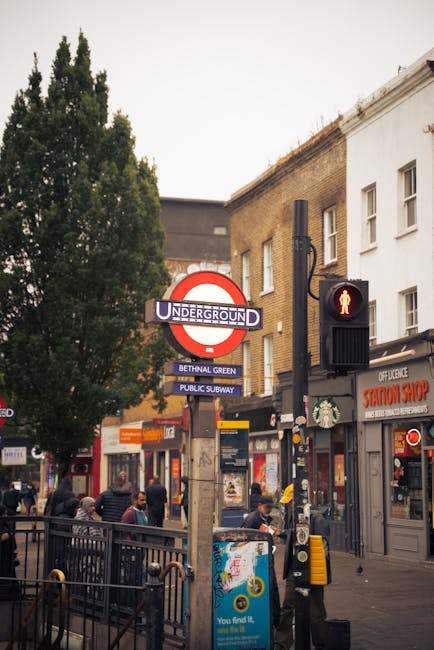
London is a vast city shaped by layers of settlement, administration and design, with a landscape that ranges from dense central districts to quieter residential neighbourhoods and long-established suburbs. The River Thames remains one of its defining features, curving through the city and linking historic riverfronts with newer developments. Across the capital, streets and squares often reveal different periods side by side: medieval traces around the City, Georgian terraces in parts of the West End, Victorian housing in many inner districts and modern towers in Docklands and beyond. The city’s transport network, especially the Underground and rail links, has also influenced how neighbourhoods developed and how people move between them. London’s cultural life is equally varied. Theatres in the West End, galleries, museums and concert venues sit alongside markets, local high streets and parks that give many areas a strong sense of identity. Green spaces such as Hyde Park, Regent’s Park, Hampstead Heath and Richmond Park provide room for walking, sport and quiet time away from busier streets, while smaller commons and squares bring breathing space into residential districts. The city’s architecture reflects that mix too, from civic landmarks like St Paul’s Cathedral and the Palace of Westminster to warehouse conversions, terrace streets and post-war estates. Borough boundaries and neighbourhood names are important in everyday life, yet London also feels unified by its scale, its history and the constant layering of old and new uses. Within that wider setting, districts can vary dramatically in character even when they are only a few miles apart. Areas near the centre often have compact streets, shared gardens and closely built homes, while outer parts of the capital may have larger plots, more detached housing and wider road layouts. That contrast has helped London remain both metropolitan and highly local at the same time, with each area carrying its own pattern of buildings, open space and community life.
Garden mowing for homes, shared spaces and managed sites
Different sites ask for different levels of care. A private back garden may need a simple, careful cut with attention to the edges, while a shared frontage or managed outdoor area may call for a more regular and consistent pattern of visits. We keep the service focused on mowing and the related finish around it, rather than turning every visit into a broader undertaking. That way, the work stays efficient and the result remains clear for the customer.
Where the lawn sits within a larger outdoor scheme, it can be sensible to pair mowing with other garden work only when that work is genuinely needed. For example, if hedges, borders or overhanging growth are affecting the shape of the space, you may wish to consider hedge trimming as part of an overall plan. If the grass is the main issue, though, there is no reason to add more than necessary. The right service is the one that solves the current problem properly.
To request a quotation, it helps to keep the description focused on the lawn and what you want done with it. Mention whether the cut is for one visit or ongoing maintenance, and whether the area is straightforward or has access limitations. A short, accurate enquiry is usually enough to begin. If the lawn is ready for attention, now is a sensible time to get it assessed and ask for a quotation.
What affects the scope of a mowing quotation

A quotation for lawn mowing usually depends on the amount of grass, the layout of the site and the level of finishing required. A small, open lawn can be quicker to work on than a space with narrow access, multiple edges or obstacles that need careful trimming. The condition of the grass matters too: a lawn that has been left to grow longer may need more time and a more deliberate approach than a regularly maintained one. Those are practical factors, not sales language, and they help shape a fair estimate.
It can also be useful to think about what you do not need. Some customers only want the grass cut; others want edging, clipping tidy-up or a broader maintenance arrangement. If you already know the scope, say so. If not, describe the lawn and the surrounding space plainly and ask for guidance. Where ongoing care is being discussed, pricing and quotes may help as a starting point for understanding how a quote is structured before you decide on the best option.
When you are ready, send the details and request a quotation for lawn mowing in London. Whether the job is a one-off cut or part of a regular upkeep plan, the aim is the same: a neat, manageable lawn that looks cared for without unnecessary fuss. We keep the process practical, and we keep the work focused on the grass.
Related garden services when the lawn is only part of the task
Sometimes mowing is only one part of the work needed outdoors. If the garden has become overgrown, the first priority may be to open up the space so the grass can be reached properly. If the lawn itself is fine but the surrounding planting has become unruly, another service may be more appropriate. The value of a straightforward mowing visit is that it lets you address the grass without committing to a more extensive project unless that is genuinely necessary.
For more involved outdoor changes, some customers may also look at garden services as a broader category, especially when they want several jobs handled in a joined-up way. Others may prefer to stay specific and deal only with the lawn for now. Both approaches are valid. The best choice depends on the current condition of the garden and the result you want to achieve, whether that is a quick refresh or a more planned maintenance routine.
If you are still deciding, think about the result first. Do you want the grass made presentable, kept under control through the season, or prepared for a more substantial piece of outdoor work later on? That answer usually makes the next step clearer. You can then ask for a quotation based on the actual lawn and not on assumptions about extra tasks that may not be needed.